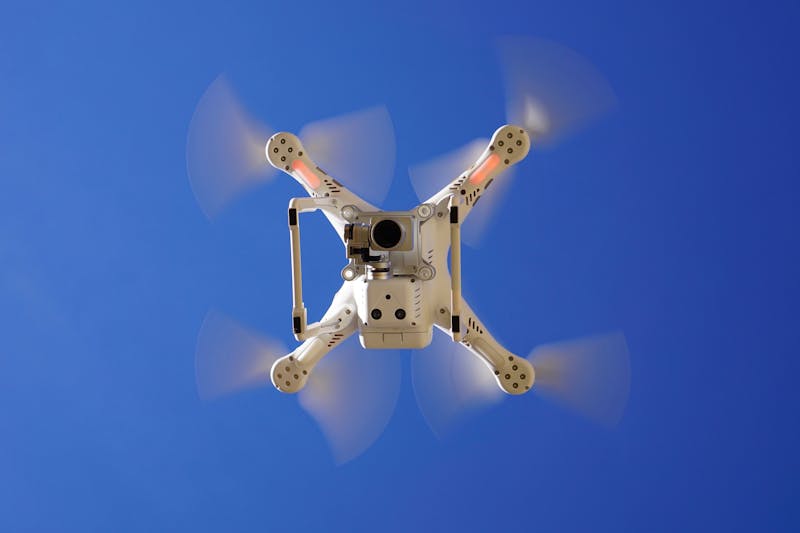
DJI Mini 4K Review: Why This Drone Stands Out in 2026
This DJI Mini 4K review breaks down everything you need to know about the most popular beginner drone of 2026. Finding the best beginner drone used to mean choosing between video quality and portability. The DJI Mini 4K eliminates that compromise entirely, weighing just 249 grams while delivering genuine 4K Ultra HD footage stabilized by a 3-axis mechanical gimbal.
The drone market has exploded in recent years, with options ranging from $50 toys to $5,000 professional rigs. For most people — travelers, hobbyist photographers, content creators, real estate agents — the sweet spot is a capable drone under $300 that produces footage you would actually want to share. That is exactly where the DJI Mini 4K sits, and after weeks of testing for this DJI Mini 4K review, we found it to be the most complete entry-level drone on the market.
Unboxing and First Flight Setup
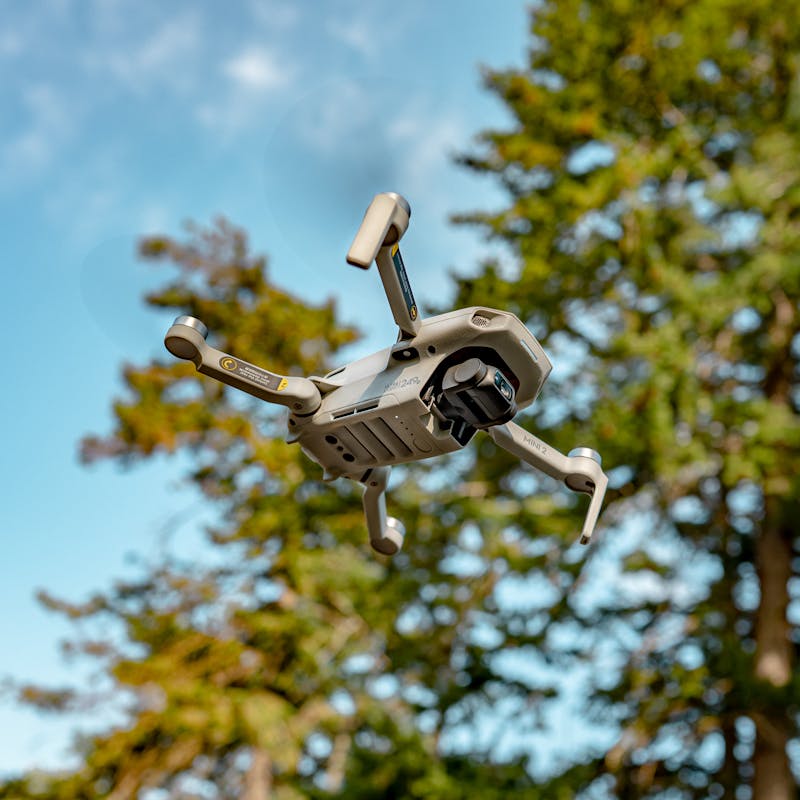
The DJI Mini 4K comes in two configurations: the standard package ($299) with one battery, and the Fly More Combo ($399) with three batteries, a charging hub, and a carrying case. For our DJI Mini 4K review, we tested the Fly More Combo, and we strongly recommend it — having three batteries turns a 31-minute flying session into a nearly 90-minute experience.
Setup is remarkably straightforward. Download the DJI Fly app, power on the drone and controller, and follow the on-screen pairing prompts. The entire process took us under 10 minutes from opening the box to our first hover. DJI includes a comprehensive tutorial in the app that walks new pilots through takeoff, landing, and basic maneuvers — a thoughtful touch that makes this a genuine pick-up-and-fly experience.
Build Quality and Design
Despite weighing just 249 grams, the DJI Mini 4K feels surprisingly well-built. The folding arms click firmly into place, and the plastic shell shows no flex or creaking. The propellers are easy to attach and replace, and DJI includes a spare set in the box. The overall footprint when folded is roughly the size of a smartphone, making it easy to toss into a backpack or jacket pocket for spontaneous flying.
DJI Mini 4K Review: Specs and Features Deep Dive
Camera and Video Quality
The heart of any drone is its camera, and the Mini 4K delivers impressive results for its price. The 4K UHD camera records at 3840x2160 at 30fps with a 1/2.3-inch CMOS sensor. For slower, more cinematic content, you can also shoot at 2.7K at 30fps or 1080p at up to 60fps for smooth slow-motion footage.
The 3-axis mechanical gimbal is the real hero here. Software stabilization can only do so much — a mechanical gimbal physically counteracts drone movement, resulting in buttery smooth footage even in moderate wind. Side-by-side comparisons with electronic-stabilization-only drones at this price point show a dramatic difference in footage quality.
Photo mode supports 12MP stills and includes automatic HDR for high-contrast scenes like sunsets and architecture. The results are more than adequate for social media and prints up to 8x10 inches.
Flight Performance and Battery Life
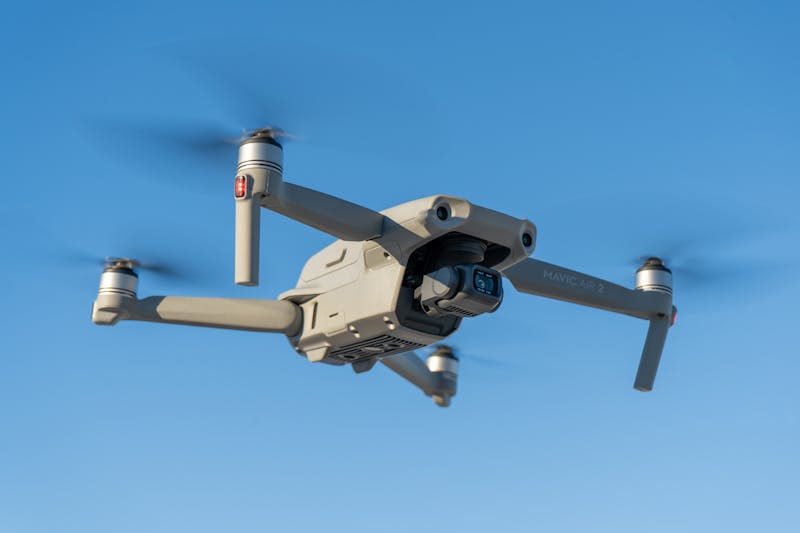
Flight performance is where our DJI Mini 4K review testing got exciting. Key specifications:
- 31 minutes maximum flight time per battery (we averaged 27 minutes in real-world conditions)
- 10km HD video transmission range (limited to 120m height in many jurisdictions)
- Maximum speed of 16 m/s (36 mph) in Sport mode
- Level 4 wind resistance (up to 17.9 mph / 28.8 km/h winds)
- GPS + GLONASS for stable hover and precise positioning
- Automatic Return to Home when battery is low or signal is lost
- Precision Landing uses downward vision sensors to return to within inches of its takeoff point
In our testing, the drone held position rock-steady in GPS mode, even in 15 mph winds. The Return to Home function worked flawlessly every time we tested it — the drone ascends to a safe altitude, flies back to its takeoff coordinates, and lands gently. For beginners worried about losing their drone, this feature alone is worth the purchase price.
Size, Weight, and FAA Registration
At 249g, the DJI Mini 4K sits right at the critical weight threshold. In the United States, drones under 250g do not require FAA registration when flown recreationally — saving you the $5 registration fee and the hassle of marking your drone with a registration number. This weight advantage is highlighted in every DJI Mini 4K review for good reason: it removes a significant barrier to entry for beginners.
The folded dimensions of 148 × 90 × 62mm mean this drone genuinely fits in a cargo shorts pocket. Combined with the compact controller, you can carry your entire aerial photography kit in a space smaller than a paperback book.
Intelligent Flight Modes
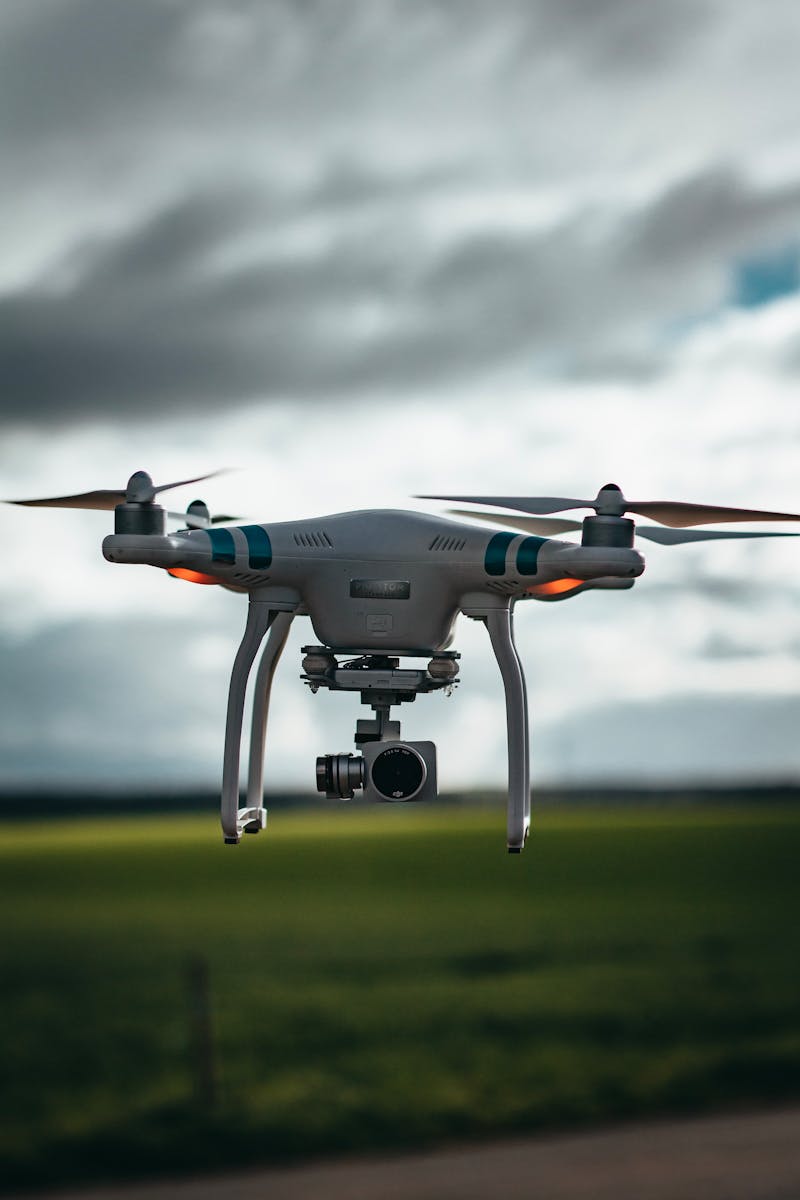
The DJI Mini 4K includes several automated flight modes that help beginners capture professional-looking shots without manual piloting skills:
- QuickShots: Pre-programmed cinematic maneuvers including Dronie (fly backward and upward), Circle (orbit around a subject), Helix (spiral upward), and Rocket (ascend straight up). Each creates a polished clip ready for social media.
- Panorama: Automatically captures and stitches multiple photos into wide-angle or 360-degree panoramic images.
- Timed Photo: Set intervals for automatic photo capture during flight, perfect for real estate surveys or landscape documentation.
These modes are accessed through the DJI Fly app with simple tap-to-activate controls. During our DJI Mini 4K review, the QuickShots mode alone produced footage that friends and family assumed was taken with professional equipment.
Pros and Cons From Our DJI Mini 4K Review
| Pros | Cons |
|---|---|
| True 4K video with 3-axis gimbal | No obstacle avoidance sensors |
| Under 249g — no FAA registration | No ActiveTrack or follow-me mode |
| 31-min flight time (27 min real-world) | No internal storage (needs microSD) |
| 10km transmission range | Remote controller requires phone mount |
| QuickShots for cinematic shots | 4K limited to 30fps (no 60fps 4K) |
| GPS + Return to Home | No RAW photo format |
| Incredibly portable and packable | 2.4GHz only Wi-Fi (no 5GHz) |
Who Should Buy the DJI Mini 4K?
Based on our extensive DJI Mini 4K review, this drone is ideal for:
- First-time drone pilots: The easy setup, GPS-assisted stability, and Return to Home feature make it virtually crash-proof for beginners.
- Travel content creators: The ultra-portable form factor and no-registration-needed weight make it the perfect travel companion.
- Real estate photography: 4K aerial footage and panorama mode add professional value to property listings at a fraction of professional drone service costs.
- Hobbyists and families: The QuickShots modes create impressive clips of outdoor activities, vacations, and events with zero piloting skill required.
How It Compares to Alternatives
If you need obstacle avoidance and subject tracking, step up to the DJI Mini 4 Pro ($759). If you are on a tighter budget, the DJI Neo ($199) offers a fun, hands-free flying experience but sacrifices gimbal stabilization and 4K quality. For pure value at the sub-$300 price point, nothing currently beats the Mini 4K.
We also considered the Holy Stone HS720G ($259) and the Potensic Atom SE ($219) during our testing. Both are competent budget drones, but neither matches the DJI Mini 4K's combination of image quality, flight time, and software polish. The DJI Fly app alone — with its intuitive interface, flight tutorials, and automatic editing tools — gives DJI a significant edge over third-party competitors.
Final Verdict: DJI Mini 4K Review Score
Our DJI Mini 4K review concludes with a strong recommendation and a score of 9.2 out of 10. It delivers excellent camera quality, long battery life, and rock-solid stability while staying regulation-friendly and affordable. The only significant omissions are obstacle avoidance and subject tracking — features that would push the price well above $300. For the vast majority of buyers, the Mini 4K has everything you need and nothing you don't. Check current price on Amazon.
Read more of our drone and camera reviews, or check today's best tech deals for current discounts.